
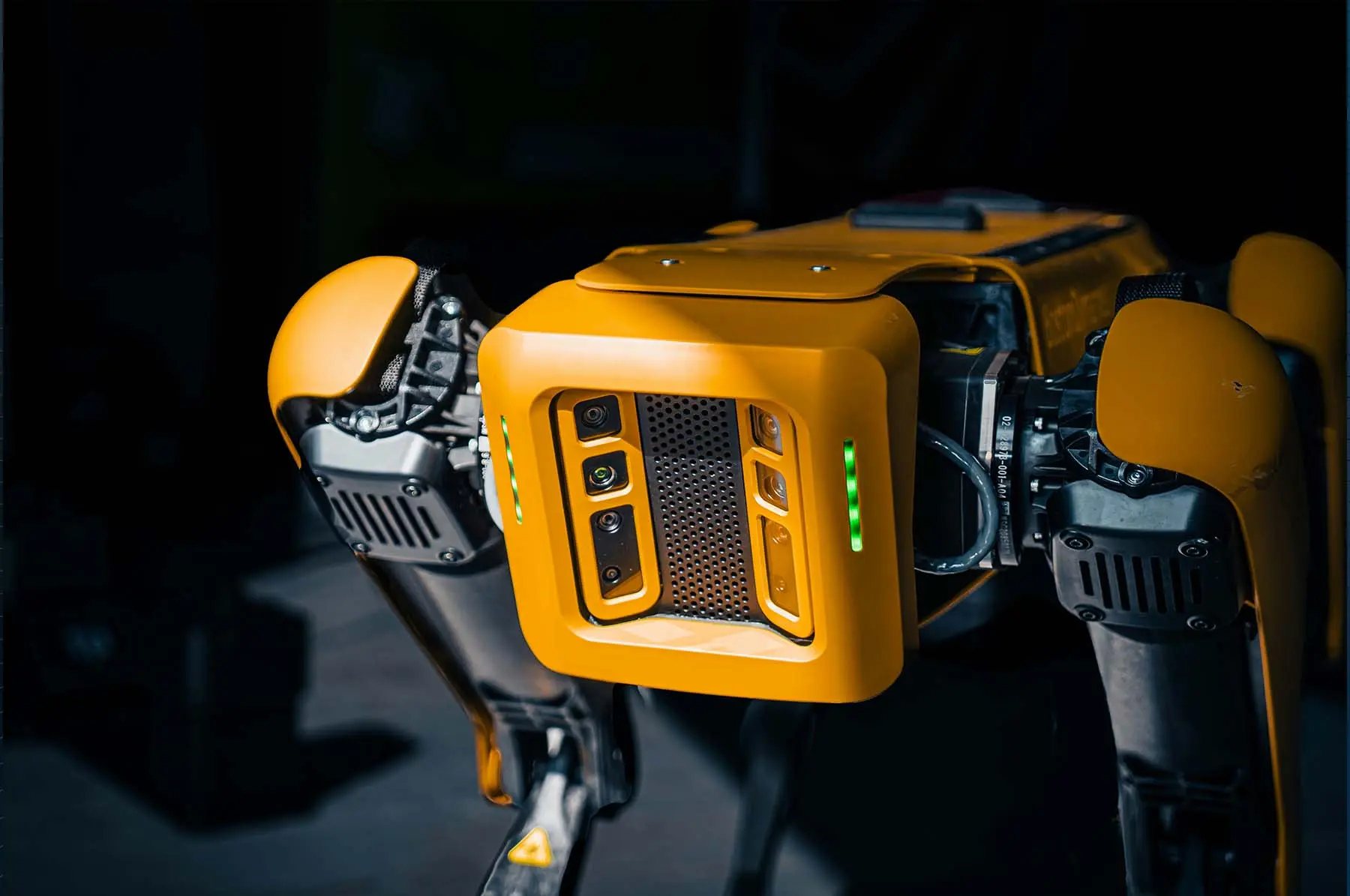
A robot can complete a physical task while the business process around it still depends on spreadsheets, phone calls and manual stock updates. Planning robotics in industrial operations therefore starts with the handoffs: what authorizes a job, how its result is confirmed, and which system records the outcome.
Define the job and its completion evidence
Consider an illustrative pallet movement between a production area and a warehouse. Write down the source location, destination, material identifier, quantity and job owner. Define what counts as completion: a movement command being accepted is different from the pallet arriving and inventory being reconciled.
Keep business status separate from machine status. A robot may report a completed motion while a quality hold prevents the goods from becoming available for sale. The ERP transaction must reflect the operational result, including that exception.
Design the information contract
The OPC Foundation’s robotics information model provides a standardized approach to describing robotic systems and information for higher-level applications. It is a reference for integration discussions; a particular installation still needs its interfaces and supported data checked.
Agree on a shared job identifier, timestamps, equipment identifier, material references and explicit status values. Record which system owns each field. For example, the ERP may own the material master while a warehouse application owns the task queue. Plan how delayed messages and duplicate completion events will be reconciled.
"In the past, we managed software; today, we design autonomous processes that AI executes for us. The future belongs to those who automate not just the tasks, but the decision-making itself."
John Smith, CEO & Owner Tweet
Make exceptions visible
Useful job states might include requested, accepted, running, completed, failed and canceled. ROS 2 actions illustrate this distinction through goals, progress feedback, final results and cancellation requests for longer-running operations. Those concepts are useful when reviewing a proposed integration, even when the robot uses a different platform.
Test blocked routes, unavailable equipment, incorrect material identifiers, interrupted connectivity and operator intervention. Define who receives the exception, what information they need, and how a restarted job avoids recording the same stock movement twice. Physical risk assessment and machine safety design belong with qualified specialists.
Measure the whole operation
Compare queue time, completed jobs, rejected jobs, manual interventions, inventory discrepancies and recovery time against a recorded baseline. Keep the workload and operating conditions comparable. A faster robot cycle does not establish an improvement if waiting time or reconciliation work increases elsewhere.
Begin with one bounded task and review its event history with operations and finance before expanding. GreatWork’s system integration and data services pages provide relevant starting points for discussing the business-system handoffs around an industrial automation project.
I look forward to seeing how these developments will improve service levels and customer satisfaction in the freight industry!